Table of Contents
- Executive Summary: Wendy’s Store Opening Strategy
- Wendy’s Franchise Growth Strategy and Expansion Plans
- How Wendy’s Determines Store Opening Locations
- WEN Stock Expansion Analysis and Financial Impact
- Wendy’s Digital-First Restaurant Design and Grand Openings
- Global Expansion and International Store Development
- Where to Find Wendy’s Store Opening Announcements
- Key Takeaways
Last Updated: August 26, 2026
Executive Summary: Wendy’s Store Opening Strategy
A Wendy’s store opening represents a critical metric for investors tracking The Wendy’s Company’s (NASDAQ: WEN) growth trajectory and franchise expansion strategy. As of 2026, the company balances corporate-owned locations with franchise development, using real estate optimization and digital-first restaurant design to drive unit growth and same-store sales performance.
This analysis examines how Wendy’s identifies new markets, implements AI-powered drive-thru technology in new locations, and communicates expansion plans to shareholders. For retail investors evaluating WEN stock, understanding Wendy’s store opening announcements and their financial implications is essential to forming an independent investment thesis.
Buy Wendy’s tracks expansion metrics alongside franchise economics and technology rollout timelines to help individual investors assess whether unit growth translates into sustainable shareholder value.
Wendy’s Franchise Growth Strategy and Expansion Plans
Wendy’s operates through a hybrid model combining company-operated and franchise-operated restaurants. This structure shapes how the company approaches new Wendy’s store opening decisions and capital allocation.
The franchise model allows Wendy’s to scale without bearing full real estate and operating costs. Franchisees assume responsibility for site selection, construction, and day-to-day operations, while Wendy’s collects royalties and provides operational support. This asset-light approach enables faster unit growth than a fully company-operated model.
Corporate-owned locations test new formats, validate technology implementations like AI drive-thru systems, and maintain direct control over customer experience in high-visibility markets. Franchise development remains the primary growth engine, with franchisees evaluating market conditions and demographic trends before committing capital to a new location.
Corporate-Owned vs. Franchise-Operated Locations
The distinction between corporate and franchise units affects how earnings are reported and how investors should interpret Wendy’s store opening announcements.
Corporate-owned locations generate revenue directly to Wendy’s through sales and contribute to company-operated restaurant revenue on the income statement. They incur direct operating expenses, labor, food costs, rent, utilities, that reduce profitability.
Franchise-operated locations generate royalty revenue, typically a percentage of sales plus fees for services like marketing and technology support. Franchisees bear operating costs, so Wendy’s captures profit without equivalent expense burden.
When analyzing Wendy’s store opening growth, investors should track the mix. Rapid franchise growth looks attractive on unit count but may mask slower company-operated expansion. Heavy corporate investment signals confidence but ties up capital and increases operational risk.
Regional Distribution and Market Penetration
Wendy’s operates across all major metropolitan markets with varying density by region. New Wendy’s store opening announcements often cluster in underserved markets where the brand has lower penetration relative to competitors.
Regional strategies differ based on demographics, competition, and franchisee availability. Urban markets may see smaller-format locations optimized for delivery and mobile ordering. Suburban and exurban markets often feature traditional drive-thru-heavy formats. Each Wendy’s store opening reflects a calculation about local demand, real estate costs, and franchise partner capacity.
How Wendy’s Determines Store Opening Locations
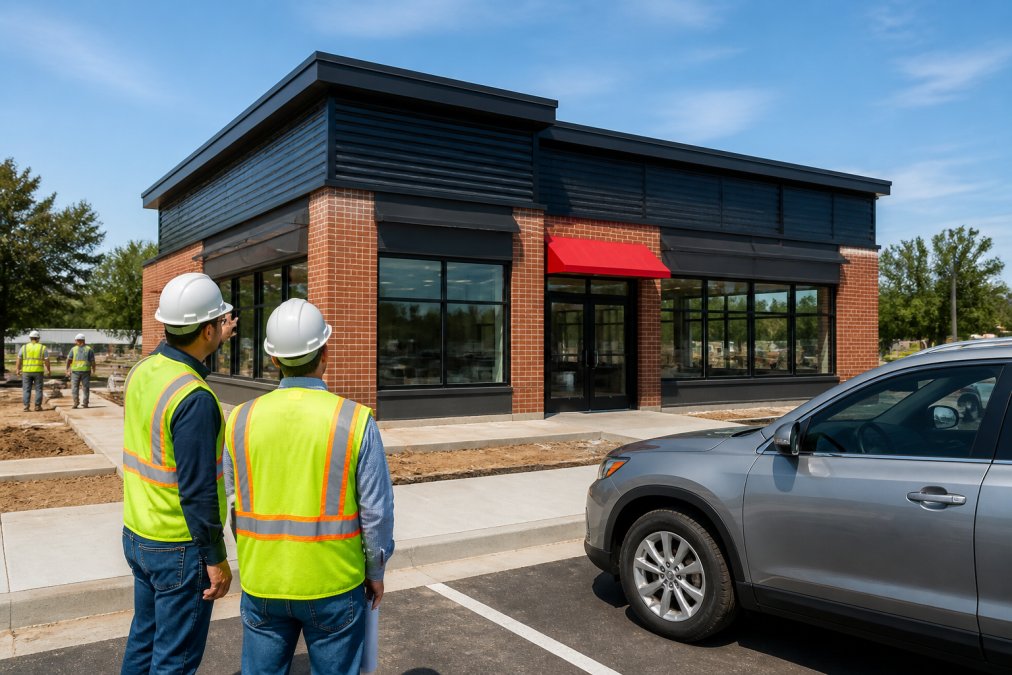
Site selection is the foundation of successful restaurant expansion. A Wendy’s store opening begins months or years before launch with rigorous analysis of location viability.
Site Selection Criteria and Real Estate Strategy
Wendy’s evaluates multiple factors before approving a Wendy’s store opening:
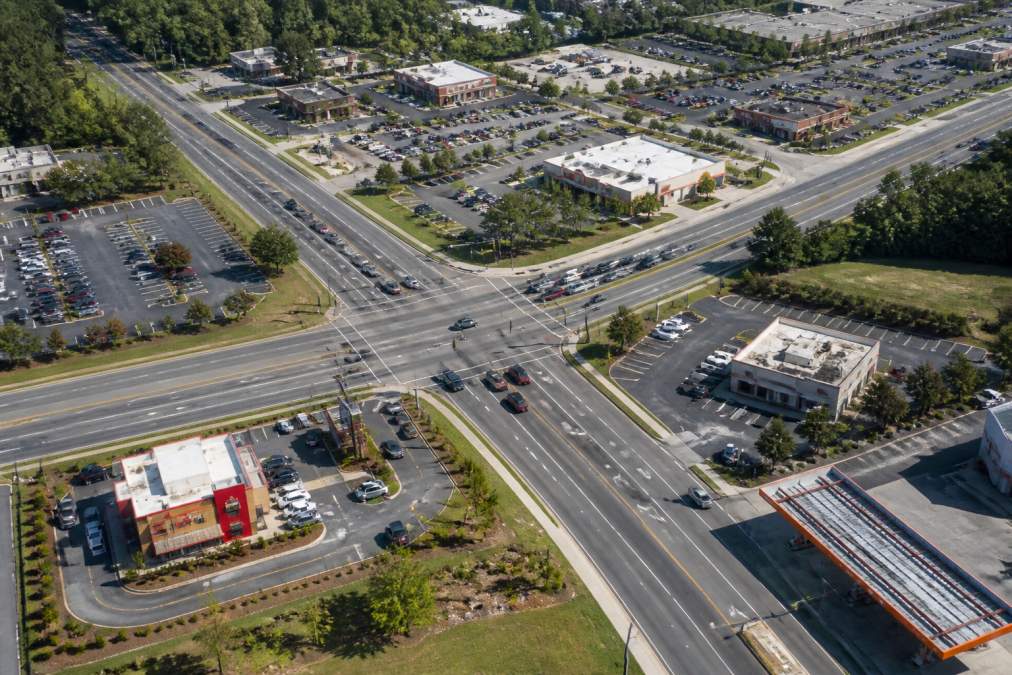
- Traffic patterns and visibility: High-traffic intersections, near highways, or in shopping centers generate customer awareness and foot traffic.
- Demographic alignment: Population density, income levels, and age distribution must match Wendy’s target customer profile.
- Competitive landscape: Proximity to other quick-service restaurants informs cannibalization risk.
- Real estate availability and cost: Lease terms, build-out costs, and long-term occupancy viability affect unit economics.
- Franchisee capability: Financial strength, operational experience, and local market knowledge are critical for franchise openings.
- Drive-thru feasibility: Access, parking, and traffic flow determine whether a location can support drive-thru operations, which drive significant sales volume.
The company uses historical performance data from similar locations to project sales and profitability. A Wendy’s store opening is approved only when projections suggest the unit will meet return-on-investment thresholds within a defined timeframe.
Drive-Thru and Delivery Accessibility
Drive-thru operations account for substantial Wendy’s sales volume. Every Wendy’s store opening evaluation includes drive-thru feasibility analysis.
Ideal drive-thru locations feature clear vehicle access, adequate stacking capacity, and convenient ordering infrastructure. Delivery accessibility has become increasingly important as third-party platforms drive restaurant traffic. A Wendy’s store opening in an area with strong delivery demand creates multiple revenue streams beyond dine-in and drive-thru.
WEN Stock Expansion Analysis and Financial Impact
Investors tracking WEN stock should connect Wendy’s store opening announcements to financial performance metrics. Unit growth alone doesn’t guarantee shareholder value; execution and profitability matter equally.
New Locations and Unit Growth Metrics
Wendy’s reports unit counts quarterly in SEC filings and earnings calls. Net unit growth represents the true expansion rate after accounting for closures.
When Wendy’s announces a Wendy’s store opening pipeline or guidance for future unit growth, it signals management confidence in the franchise model and market demand. Investors should scrutinize the breakdown: Are new units primarily franchise (lower capital, higher risk to brand quality) or company-operated (higher capital, more control)?
Unit growth projections affect stock valuation. If Wendy’s guides toward 3-5% annual unit growth, analysts model future revenue and earnings based on that trajectory. A Wendy’s store opening slowdown or acceleration versus guidance can trigger stock repricing.
The quality of unit growth matters. Opening locations in marginal markets to hit unit targets dilutes returns. Selective, high-quality Wendy’s store opening announcements in premium markets suggest disciplined capital allocation and stronger long-term value creation. healthy menu options.
Same-Store Sales and Operating Efficiency
Same-store sales (comparable-store sales or "comps") measure revenue growth at locations open for at least 12 months, excluding new unit growth. This metric isolates operational performance from expansion activity.
Successful new locations eventually mature into the comp base. If Wendy’s achieves positive comps while opening new units, it demonstrates both growth and operational strength, a favorable signal for WEN stock.
Operating efficiency metrics, labor productivity, food cost ratios, occupancy costs, reveal whether new locations achieve unit-level profitability targets. A Wendy’s store opening that underperforms on these metrics may generate headline growth but destroy shareholder value.
Wendy’s Digital-First Restaurant Design and Grand Openings
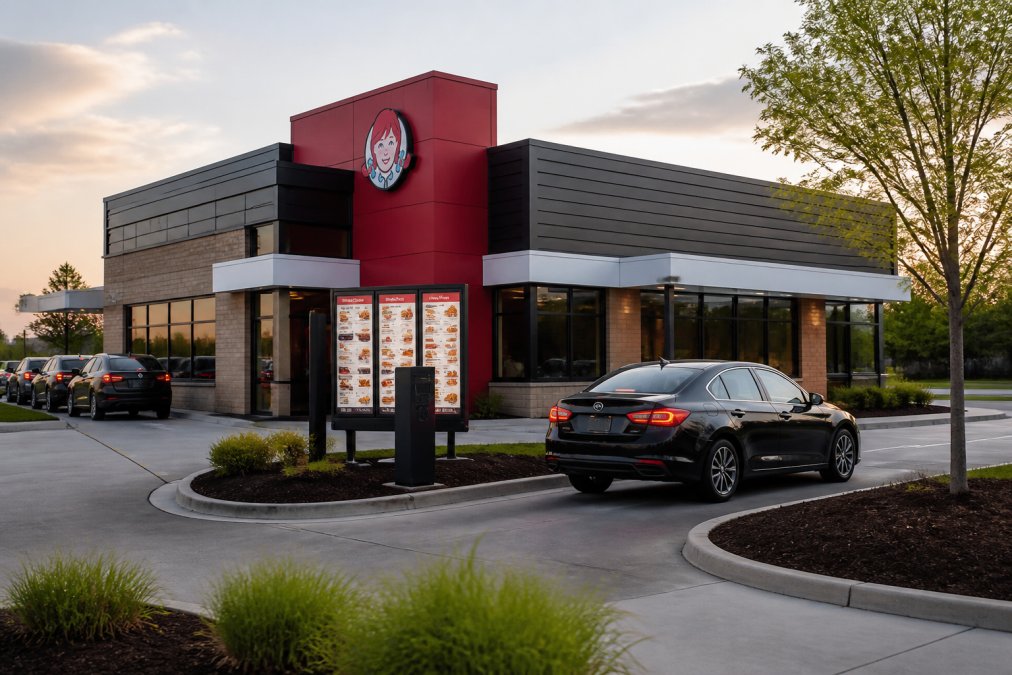
Modern Wendy’s store opening announcements emphasize digital innovation and customer experience design. New locations increasingly feature self-ordering kiosks, digital menu boards, and optimized layouts for delivery fulfillment. These design elements reduce labor costs, improve order accuracy, and enhance throughput, all critical to unit-level profitability.
Grand opening events generate local buzz and drive trial among new customers. Wendy’s coordinates with franchisees to execute promotions, media coverage, and community engagement around a Wendy’s store opening. These events build awareness and test staffing and operational systems under high-volume conditions.
AI Drive-Thru Technology in New Locations
Wendy’s FreshAI technology represents a significant competitive advantage (peer-reviewed research). New Wendy’s store opening locations increasingly deploy AI-powered drive-thru systems that take orders, upsell menu items, and reduce labor costs.
The technology uses natural language processing to understand customer requests and machine learning to predict order patterns. Early implementations have shown promise in reducing order errors and improving throughput, though rollout timelines and adoption rates remain critical variables for investors.
Each Wendy’s store opening that incorporates FreshAI serves as a real-world test of the technology’s scalability and customer acceptance.
Mobile Ordering and Delivery Integration
Digital ordering through Wendy’s app and third-party platforms now drives material sales at many locations. A Wendy’s store opening designed for the digital era includes dedicated prep areas for mobile orders, optimized packaging, and integration with delivery logistics.
This design philosophy recognizes that modern customers expect multiple ordering channels: in-app, drive-thru, dine-in, and delivery. A Wendy’s store opening that fails to accommodate these channels effectively loses revenue to competitors with better digital infrastructure.
Global Expansion and International Store Development
While Wendy’s operates primarily in the United States, the company maintains a presence in select international markets. International Wendy’s store opening activity is more limited but strategically important for long-term growth.
Markets like Canada, the United Kingdom, and parts of Europe represent mature Wendy’s operations. Growth in these regions is typically organic and limited by market saturation and local competition. For WEN stock investors, international expansion is a secondary growth driver. The bulk of unit growth and profitability comes from domestic operations.
Where to Find Wendy’s Store Opening Announcements
Investors seeking real-time information about Wendy’s store opening activity have multiple reliable sources.
Official Press Releases and SEC Filings
Wendy’s issues quarterly earnings releases and annual reports (10-K filings) that detail unit growth, expansion plans, and management guidance. These documents are filed with the SEC and available through the company’s investor relations website.
Quarterly earnings calls include management commentary on expansion strategy, franchisee sentiment, and pipeline for future Wendy’s store opening activity. Press releases may announce major Wendy’s store opening milestones, entry into new markets, or large multi-unit franchise agreements, though routine unit growth is reported in quarterly filings.
According to the SEC’s EDGAR database, all public company filings are available to investors at no cost.
Store Locator Tools and Community Impact
Wendy’s maintains a store locator tool on its corporate website, allowing customers and investors to track locations by market. Local media coverage often accompanies Wendy’s store opening announcements, particularly for grand opening events.
For investors seeking comprehensive tracking of Wendy’s store opening announcements and their implications for WEN stock, Wendy’s Restaurant Directory provides location data and expansion analysis. Additionally, Wendy’s News & Restaurant Tracker aggregates real-time updates on new openings, closures, and regional expansion activity, helping investors stay informed on unit growth trends.
Research from the National Restaurant Association indicates that restaurant expansion drives measurable economic activity, including employment and local spending. A Wendy’s store opening in a community typically generates construction jobs, permanent employment, and supplier spending.
Key Takeaways
| Factor | Implication for Investors |
|---|---|
| Unit Growth Rate | Signals expansion momentum; compare guidance to actual results to assess management credibility |
| Corporate vs. Franchise Mix | Corporate growth requires capital; franchise growth is asset-light but depends on franchisee quality |
| Technology Integration | AI and digital ordering in new locations improve unit economics and competitive positioning |
| Regional Penetration | Underserved markets represent expansion opportunity; saturated markets may see slower growth |
| Same-Store Sales Trends | New unit growth without comp growth may indicate cannibalization or market saturation |
| Grand Opening Execution | Successful launches validate operational systems and build brand awareness in new markets |
Frequently Asked Questions
Will Wendy's open new locations in 2026?
Wendy's continues to pursue selective growth through both company-operated and franchise-operated locations. The company focuses on high-traffic areas with strong drive-thru and delivery potential. For official announcements about specific 2026 store openings, check Wendy's investor relations page and SEC filings, which provide quarterly updates on unit growth and expansion plans.
How does Wendy's determine the location for a new store opening?
Wendy's uses data-driven site selection criteria including demographic analysis, traffic patterns, competitive landscape, real estate availability, and delivery accessibility. The company prioritizes locations where drive-thru and digital ordering can serve high-volume customer demand. Franchise partners also contribute local market expertise to identify optimal locations in their regions.
How do new store openings impact Wendy's (NASDAQ: WEN) financial performance?
New store openings drive revenue growth, increase market penetration, and strengthen same-store sales over time. However, initial costs associated with construction, staffing, and marketing can affect short-term profitability. Investors tracking WEN stock should monitor quarterly unit growth reports and management guidance on capital expenditure to assess expansion's impact on earnings and dividend sustainability.
What role does AI drive-thru technology play in new Wendy's restaurant designs?
AI-powered drive-thru systems enhance operational efficiency and customer experience in new locations by automating order-taking, reducing wait times, and improving accuracy. This technology supports Wendy's digital-first strategy and helps justify investment in new stores by improving throughput and reducing labor costs, key metrics investors watch when evaluating WEN stock expansion decisions.
This article was written using GrandRanker